
I have spent years imagining what it would feel like to walk through a place that has been at the crossroads of history for thousands of years. Iran is one of those rare countries where every turn feels like a conversation between past and present. Its cities and landscapes carry stories from ancient empires to vibrant modern culture, and that alone is an invitation to go. It is a land where the Silk Road once carried ideas, spices, science, and stories across continents, shaping connections between East and West long before globalization had a name.
First there is the history. Places like Persepolis and the ancient ruins that dot the Iranian plateau are not just old stones. They are reminders of civilizations that shaped the world and left a mark on art, language, and power long before many modern states even existed. Iran has more than two dozen UNESCO World Heritage Sites, each a chapter of human achievement and resilience. From the ceremonial terraces of Persepolis to the ancient city of Pasargadae and the rock reliefs carved into mountainsides, the landscape itself feels like an open-air archive of empire, faith, trade, and survival.
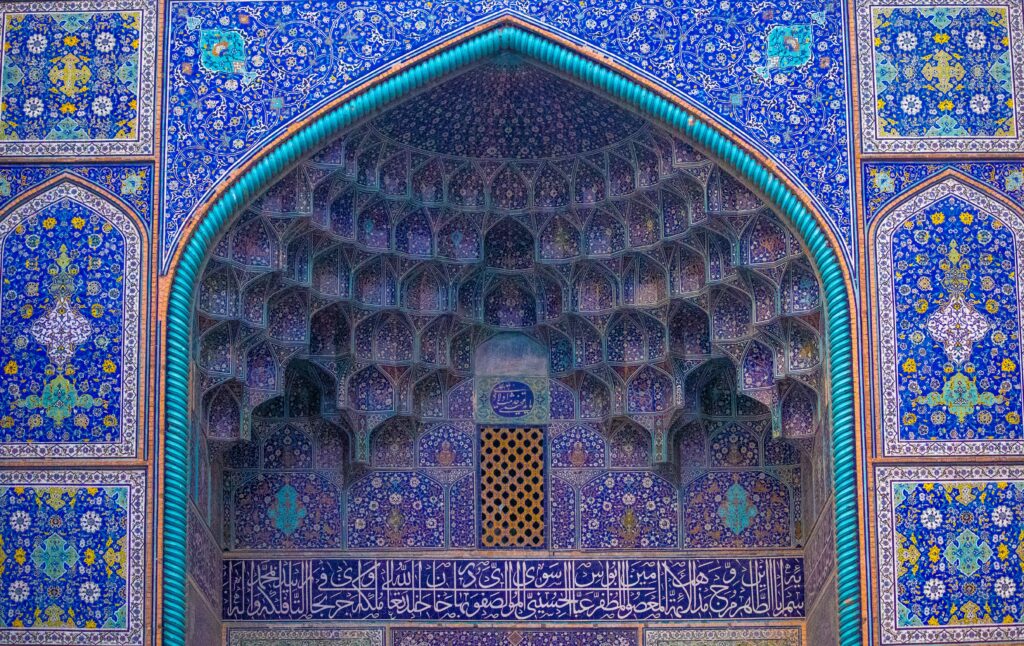
Then there is the architecture. Walk through Naqsh-e Jahan Square in Isfahan or a mosque in Shiraz and you see geometry and color dancing in tilework and arches. These spaces are both spiritual and human, places where art was built into the very bones of buildings. The symmetry of Safavid design, the intricate muqarnas ceilings, the calligraphy woven into blue domes, all suggest a culture that treated mathematics, theology, and aesthetics as partners rather than opposites.
Food is another reason I am counting the days. Iranian cuisine has layers of flavor that reflect centuries of exchange and local creativity. From stews like Ghormeh Sabzi to saffron-scented rice and fresh flatbread, every meal feels like a lesson in history and comfort at the same time. Dishes flavored with dried limes, barberries, pistachios, and rosewater speak of trade routes and regional diversity, while the ritual of sharing tea from a samovar turns a simple drink into an act of connection.
What makes Iran most compelling to me, though, is the people. Travelers often talk about how deeply hospitable Iranians can be. Strangers invite you to share tea, teach you a word in Farsi, or walk you through a bazaar. Those moments break down any stereotypes and make a place feel less like a destination and more like a community waiting to be known. In a world that often reduces Iran to political headlines, these personal encounters seem to reveal a society rich in humor, pride, education, and quiet resilience.
Beyond history and food and warm welcomes, Iran’s natural beauty is breathtaking. Snow-capped mountains, sweeping deserts, lush forests, beaches on the Caspian Sea and Persian Gulf all offer backdrops for exploration and reflection. The Lut Desert’s sculpted sand formations, the Alborz Mountains rising above Tehran, and the green northern provinces along the Caspian coast show a geographic diversity that mirrors the country’s cultural complexity. I cannot wait to hike these trails.
I want to visit Iran because travel that changes how you see the world is the kind of travel that stays with you. Iran is one of those places. Fast-changing, ancient and alive with stories, it feels like a conversation I am ready to join. Not as a spectator looking for confirmation of what I already believe, but as a traveler willing to listen, observe, and let the experience complicate and enrich my understanding of a country that has influenced the world far more than many realize.